Tracing Links Between Withdrawal Timelines and Game Selection Shifts in Mobile Loyalty Frameworks
David Reed · Jun 27, 2026
Tracing Links Between Withdrawal Timelines and Game Selection Shifts in Mobile Loyalty Frameworks
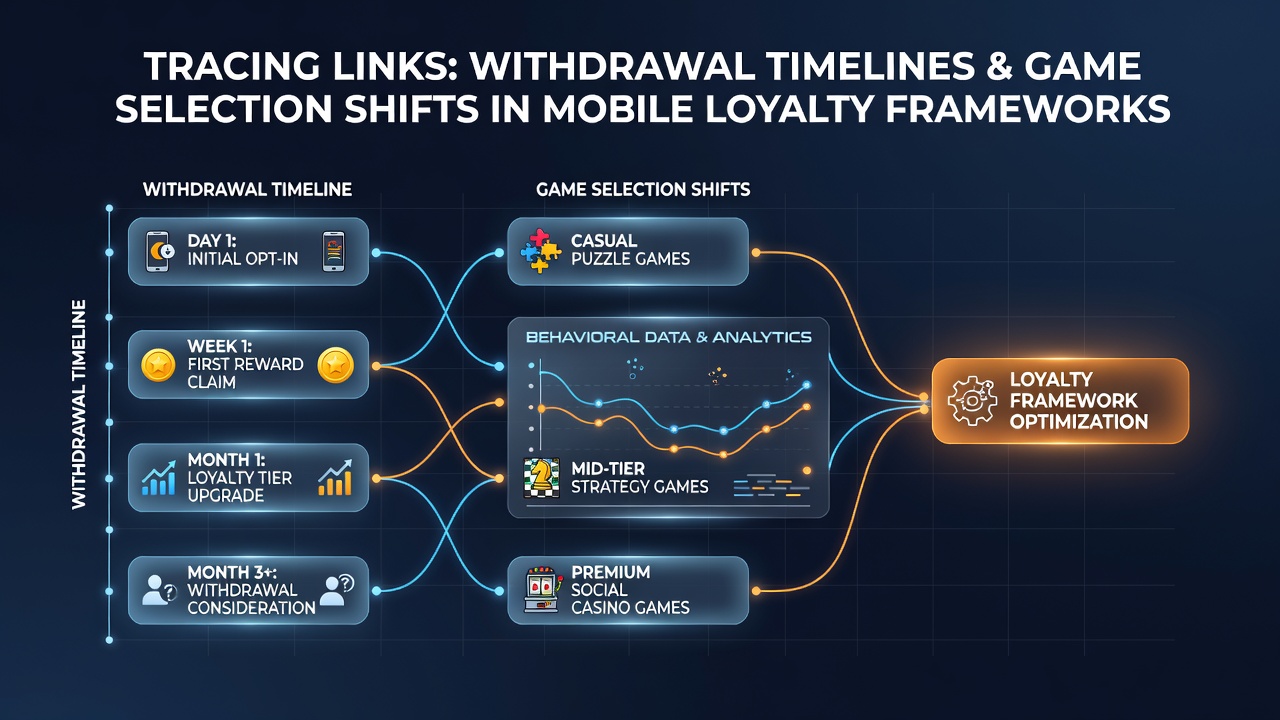
Withdrawal timelines in mobile casino applications connect directly to patterns in game selection within loyalty frameworks, and data from multiple markets reveal measurable shifts as processing speeds change. Players adjust their choices between slot titles, table games, and live dealer options when payout speeds alter the overall session economics, according to industry tracking from the Nevada Gaming Control Board.
Systems that reward frequent play through tiered points often tie those rewards to specific game categories, yet withdrawal speed influences which categories players favor over extended periods. Faster processing encourages selections with steadier return profiles, while slower timelines push activity toward higher-volatility options that promise larger single-session swings to offset delays.
Observed Patterns in Player Behavior
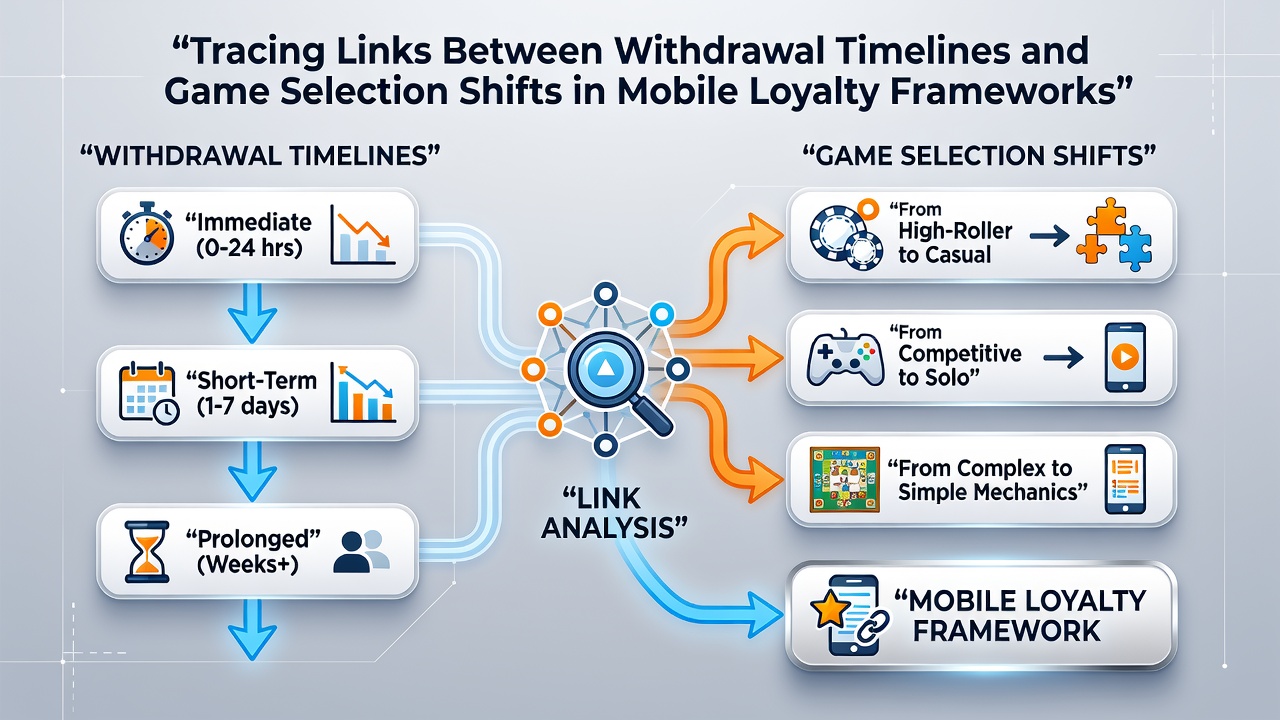
Reports compiled across North American and Australian operators show that when average withdrawal times drop below twenty-four hours, participation in medium-volatility slot libraries rises by measurable percentages within loyalty programs. Conversely, extended processing windows beyond forty-eight hours correlate with increased selections of jackpot-linked slots and certain live dealer variants where larger payouts can justify the wait.
Those who've examined transaction logs note that loyalty multipliers applied to table games become more attractive under quicker payout conditions because players can reinvest cleared funds without extended pauses. In June 2026, updated operational data released by several international platforms indicated a consistent uptick in blackjack and roulette engagement once instant banking integrations shortened clearance cycles.
Framework Mechanics and Timing Variables
Mobile loyalty architectures typically award points based on wager volume and game type, with bonus structures that escalate across tiers. When withdrawal timelines extend, the perceived value of points earned on high-volatility titles increases because players seek compensation for delayed access to winnings. Shorter timelines reduce that pressure and allow smoother progression through loyalty levels using lower-volatility selections that sustain longer play sessions.
Payment method integration plays a central role here. E-wallet and instant bank transfer options compress timelines, and platforms report corresponding adjustments in the mix of games chosen by tiered members. Research from the University of Nevada, Las Vegas gaming studies department has documented how these adjustments appear across different demographic segments tracked through anonymized account data.
Regional Data Comparisons
Figures from the Australian Gambling Research Centre highlight similar dynamics in markets where regulatory frameworks permit rapid payout verification. Loyalty members there demonstrate measurable migration toward live dealer tables when clearance speeds improve, whereas slower environments sustain higher volumes in progressive slot categories. Canadian provincial regulators have released parallel observations through aggregated operator reports, confirming that timeline reductions coincide with diversified game selections rather than concentration in any single category.
Operators adjust loyalty reward schedules accordingly. Some introduce time-sensitive multipliers that activate only after verified withdrawals, encouraging members to sample new game types once funds clear. Others maintain static point structures but monitor selection data to refine bonus offerings that align with prevailing withdrawal speeds.
Impact on Tier Progression
Tier advancement in these frameworks depends on accumulated points and sometimes on deposit frequency. Withdrawal timelines affect both elements because delayed access to winnings can interrupt deposit cycles for players who rely on cleared balances. Data indicates that frameworks incorporating same-day payout options see steadier month-to-month tier movement across a broader range of game types, while slower systems concentrate activity among fewer high-volatility titles.
Industry associations tracking these metrics, including reports referenced by the European Gaming and Betting Association, note that mobile-specific loyalty tools increasingly incorporate withdrawal speed as an implicit variable in personalization algorithms. These systems surface game recommendations that match both a member's tier and the typical clearance time associated with their chosen banking method.
Conclusion
Connections between withdrawal timelines and game selection within mobile loyalty frameworks rest on observable transaction and engagement data rather than isolated preferences. As processing speeds evolve across markets, operators and researchers continue to map resulting shifts in how loyalty members allocate their play across available titles. Continued monitoring through regulatory and academic channels will clarify how these patterns develop alongside new payment technologies and framework updates.