Synergistic Dynamics of Payment Protocols and Reward Tiers in Licensed British Gambling Sectors
Freya Roth · Sep 7, 2026
Synergistic Dynamics of Payment Protocols and Reward Tiers in Licensed British Gambling Sectors
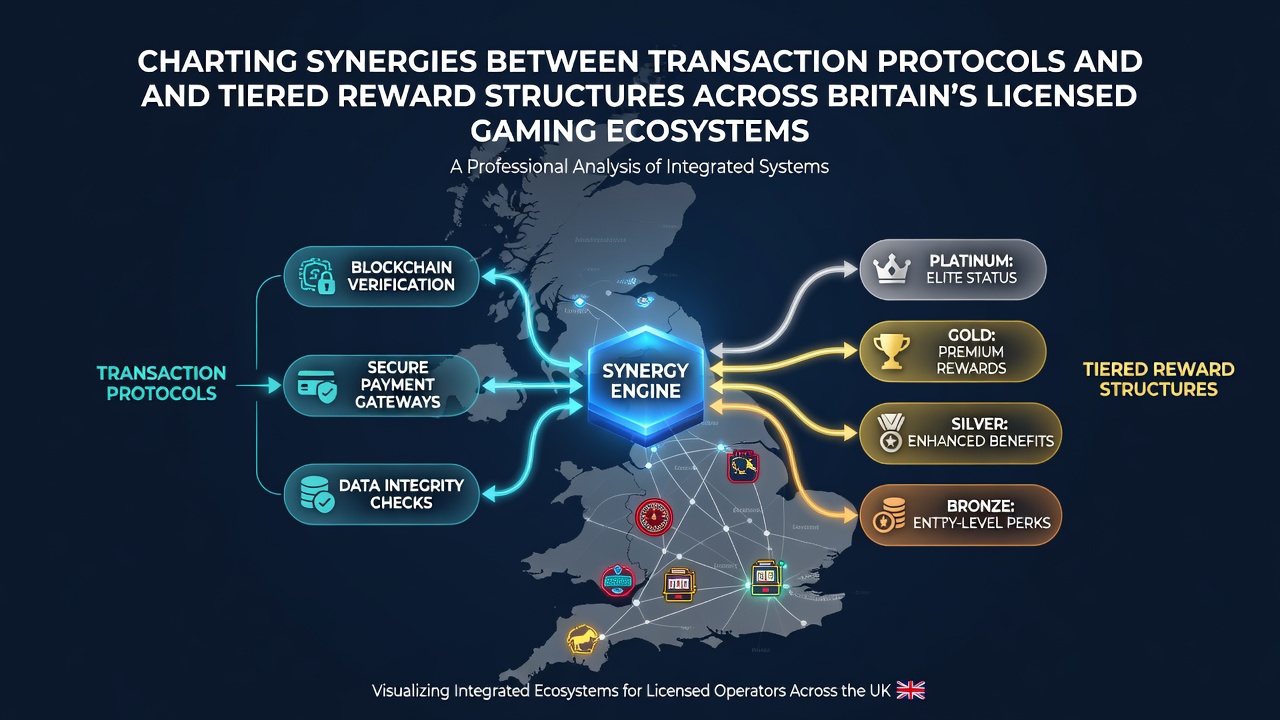
Payment protocols in Britain's licensed gaming ecosystems encompass secure deposit and withdrawal systems that range from bank transfers and debit cards to e-wallets and instant verification services, and these frameworks increasingly intersect with tiered reward structures that allocate escalating benefits based on player activity levels. Operators integrate these elements so that transaction speed and volume directly influence eligibility for higher reward tiers, creating measurable alignments where faster processing correlates with accelerated progression through loyalty levels. Data from industry reports indicate that such integrations streamline operations across multiple platforms while maintaining compliance with regulatory standards.
Core Components of Transaction Protocols in Regulated Settings
Transaction protocols operate through standardized verification layers that authenticate user identities and process funds in real time, and researchers at various academic institutions have documented how these systems reduce latency in fund movements. Studies from the Australian Gambling Research Centre highlight patterns where protocol efficiency contributes to sustained player engagement across licensed environments. Payment gateways incorporate multi-factor authentication alongside encryption standards, which in turn feed data into reward tracking algorithms that log transaction frequency and amounts for tier calculations.
Those who monitor system performance note that protocols supporting instant deposits often pair with automated reward triggers, allowing players to qualify for initial tier upgrades upon completing verified transactions. This linkage appears in operational models where deposit thresholds align with entry criteria for bronze, silver, and gold levels, and figures from European gaming association analyses reveal consistent adoption rates in comparable regulated markets.
Structure of Tiered Reward Programs and Their Data Inputs
Tiered reward programs categorize participants according to cumulative spend, session duration, and transaction consistency, while reward allocations include cashback percentages, exclusive event access, and customized bonus offers that scale with each tier. Observers in the field point out that these programs rely on backend data streams from payment processors to validate qualifying activity, and integration points allow seamless updates to player profiles as transactions complete. Evidence from university-led examinations of loyalty mechanics shows that tier advancement accelerates when protocols permit rapid, repeated deposits without manual intervention.
Integration Points and Operational Synergies
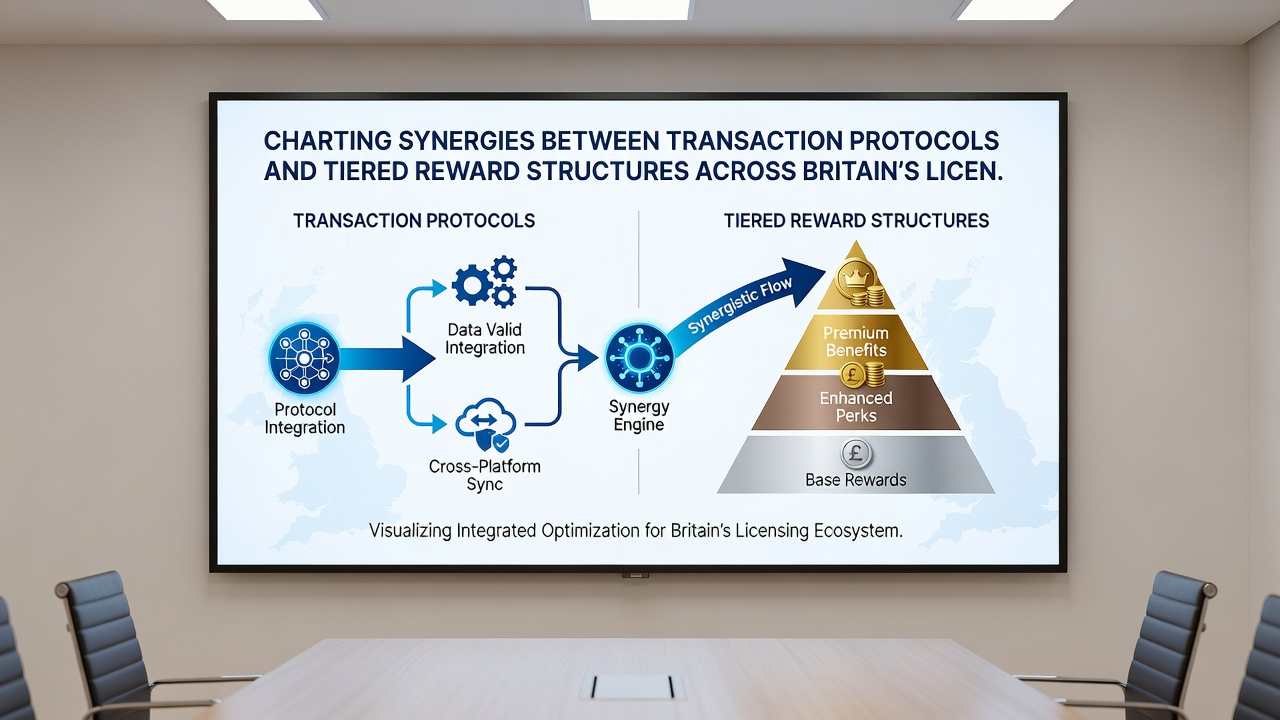
Synergies emerge when transaction data streams directly inform reward engine decisions, so that a single verified deposit can simultaneously credit a player's account and advance their tier status. In September 2026, several operators plan to roll out enhanced API connections between payment gateways and loyalty dashboards, according to announcements from trade groups tracking technological adoption. These connections enable real-time tier adjustments that reflect recent transaction volumes, and analysts from research bodies in Canada have observed similar setups yielding higher retention metrics in controlled studies.
Operators achieve these alignments by mapping protocol outputs such as transaction timestamps and values onto tier progression rules, which creates feedback loops where efficient payments accelerate reward unlocks. Case examples documented in industry publications demonstrate that platforms utilizing unified data platforms report fewer discrepancies between player activity and benefit distribution. What's notable is how these setups minimize manual oversight, allowing automated systems to handle tier promotions based on protocol-verified events.
Regulatory Context and Compliance Considerations
Licensed operators maintain these synergies within frameworks that require transparent reporting of both financial movements and reward allocations, and external audits verify that transaction records support accurate tier assignments. Reports from the Nevada Gaming Control Board illustrate parallel practices in other jurisdictions where payment protocol audits intersect with loyalty program reviews to ensure fairness. British platforms adopt comparable verification steps, ensuring that reward structures do not inadvertently favor certain transaction types over others without documented justification.
Those examining cross-border practices find that standardized reporting formats facilitate smoother integrations, and data from academic papers on digital finance in gaming sectors indicate reduced compliance incidents when protocols and rewards share unified logging systems. This alignment supports ongoing monitoring without disrupting player experiences.
Future Developments and Data Trends
Emerging trends point toward expanded use of blockchain-based transaction protocols that offer immutable records for reward calculations, and preliminary findings from collaborative research projects suggest these could further tighten the connection between payment transparency and tier eligibility. Projections for 2026 and beyond include wider testing of such technologies in licensed settings, with operators tracking performance metrics to refine integration points. Patterns observed in existing deployments show that enhanced protocol security correlates with increased player trust in reward progression systems.
Conclusion
The documented intersections between transaction protocols and tiered reward structures demonstrate measurable operational efficiencies across Britain's licensed gaming sectors, supported by data integrations that link payment verification directly to benefit allocations. Continued advancements in these areas, including scheduled updates around September 2026, reflect broader industry shifts toward unified systems that maintain regulatory compliance while processing activity data in coordinated ways. Research from multiple international sources continues to track these developments for insights into long-term patterns.