Seasonal Events Reshaping Game Preferences Across Licensed Gaming Platforms
Nils Flores · Jun 22, 2026
Seasonal Events Reshaping Game Preferences Across Licensed Gaming Platforms
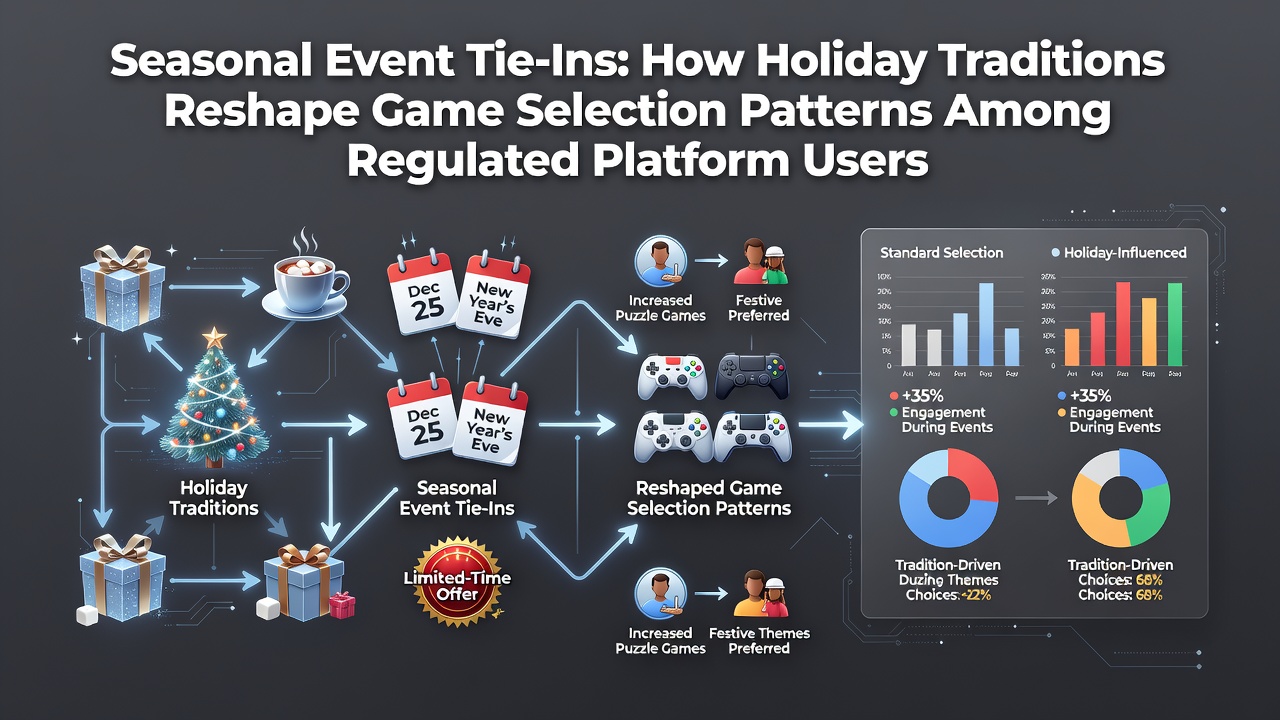
Regulated gaming platforms observe distinct shifts in user selections during holiday periods, where traditional celebrations align with specific game categories and mechanics. Data from multiple jurisdictions shows increased engagement with themed content during Halloween, Christmas, and other annual events, while baseline preferences for standard titles remain steady outside these windows. Observers note that these patterns emerge consistently across different regulatory frameworks, including those in North America and Europe.
Patterns During Major Holidays
Halloween brings measurable upticks in selections of horror and supernatural-themed slots, according to industry tracking reports compiled over multiple years. Users gravitate toward titles featuring jack-o'-lantern symbols, ghost multipliers, and bonus rounds tied to haunted narratives, whereas everyday slot choices diversify less during this stretch. Christmas periods produce parallel movements toward festive visuals with snow effects, gift multipliers, and winter soundtracks, creating temporary spikes in particular game libraries that operators refresh annually.
Summer events, including those around June 2026, introduce additional layers when platforms incorporate outdoor or festival motifs. Research indicates these tie-ins draw users who otherwise stick to table games or video poker, expanding the active catalog temporarily without displacing core preferences long-term.
Regulatory Context and Data Tracking
Licensed operators maintain detailed logs of game access that align with calendar events, allowing analysts to isolate seasonal variables from random fluctuations. A report issued by the Alcohol and Gaming Commission of Ontario highlights how user logs reveal repeatable clusters around holidays, with similar findings emerging from Australian state-level monitoring programs. These records show that promotions bundled with holiday themes accelerate the shift, yet the underlying selection changes persist even when promotional offers remain constant.
One study from the University of Nevada's gaming research center found that holiday periods correlate with longer session durations on matching content, while cross-category exploration declines. The figures reveal that users return to non-themed options once the calendar event concludes, suggesting the influence operates through cultural associations rather than permanent habit alteration.
Platform Adaptations and User Responses
Operators adjust featured sections and lobby arrangements in advance of holidays to match anticipated demand, placing relevant games in prominent positions. Users respond by selecting these options at higher rates than comparable non-themed alternatives, according to aggregated platform analytics. This alignment occurs across mobile and desktop interfaces, with no significant variance tied to device type.
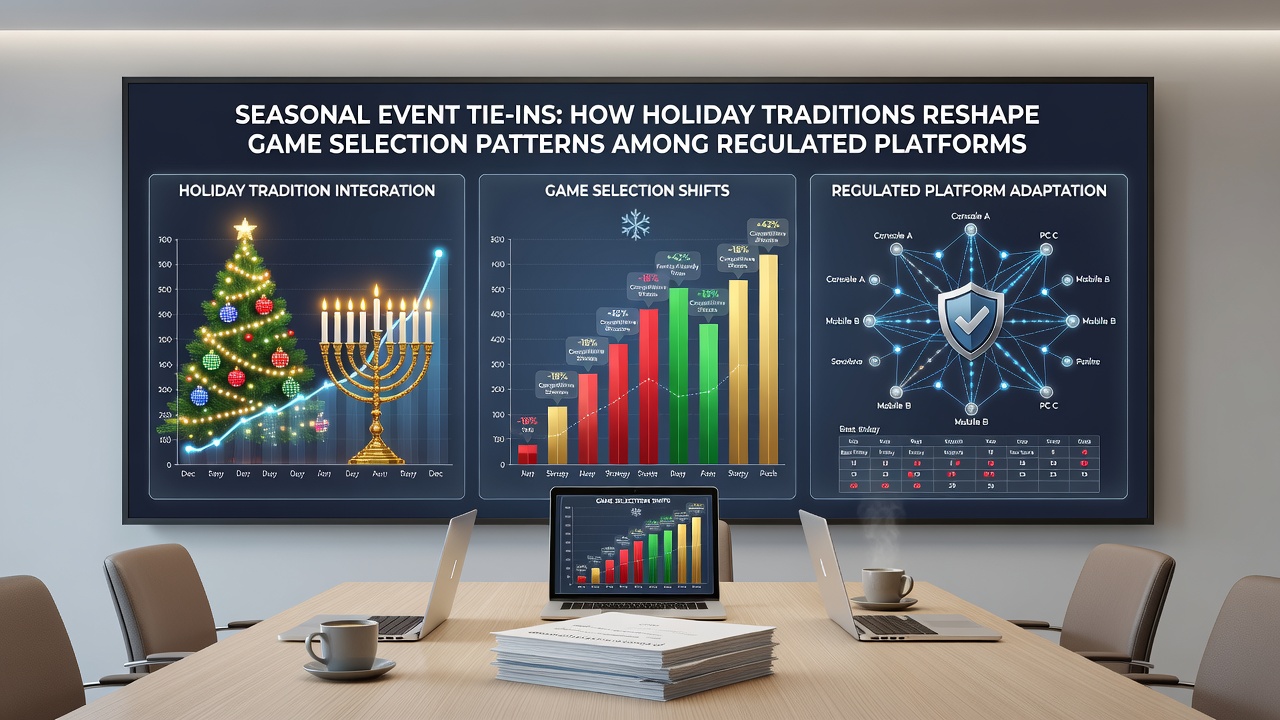
Take one operator in a European jurisdiction that introduced limited-time holiday mechanics in 2025. Session data showed elevated play on those specific titles compared with the prior month, yet overall game diversity across the user base remained stable. Similar outcomes appear in Canadian provincial reports, where seasonal content draws consistent but contained interest without cannibalizing other categories.
Longer-Term Observations
Analysts tracking multi-year trends note that repeated exposure to holiday tie-ins strengthens short-term selection patterns without creating lasting dependency on themed games. Users who engage heavily during one season often revert to previous habits the following month, while a smaller subset explores related titles year-round. This cyclical behavior holds across different age groups and regions where data collection occurs under comparable regulatory standards.
What's significant is the predictability these patterns offer for platform planning, since historical logs allow operators to prepare inventory and server capacity ahead of each event. Evidence from multiple sources confirms the trend repeats annually, driven by cultural familiarity with holiday symbols rather than external marketing alone.
Conclusion
Seasonal event tie-ins produce measurable, recurring changes in game selection among users of regulated platforms. These shifts follow established calendar patterns, supported by data from various oversight bodies and academic tracking efforts. The result is a temporary realignment of preferences that operators accommodate through targeted content placement, while overall user behavior returns to baseline once each holiday period ends.