RTP Realities: Slot Payout Percentages and What They Mean for Players
Willa Lang · Apr 16, 2026
RTP Realities: Slot Payout Percentages and What They Mean for Players
Decoding the Numbers Behind Slot Machines
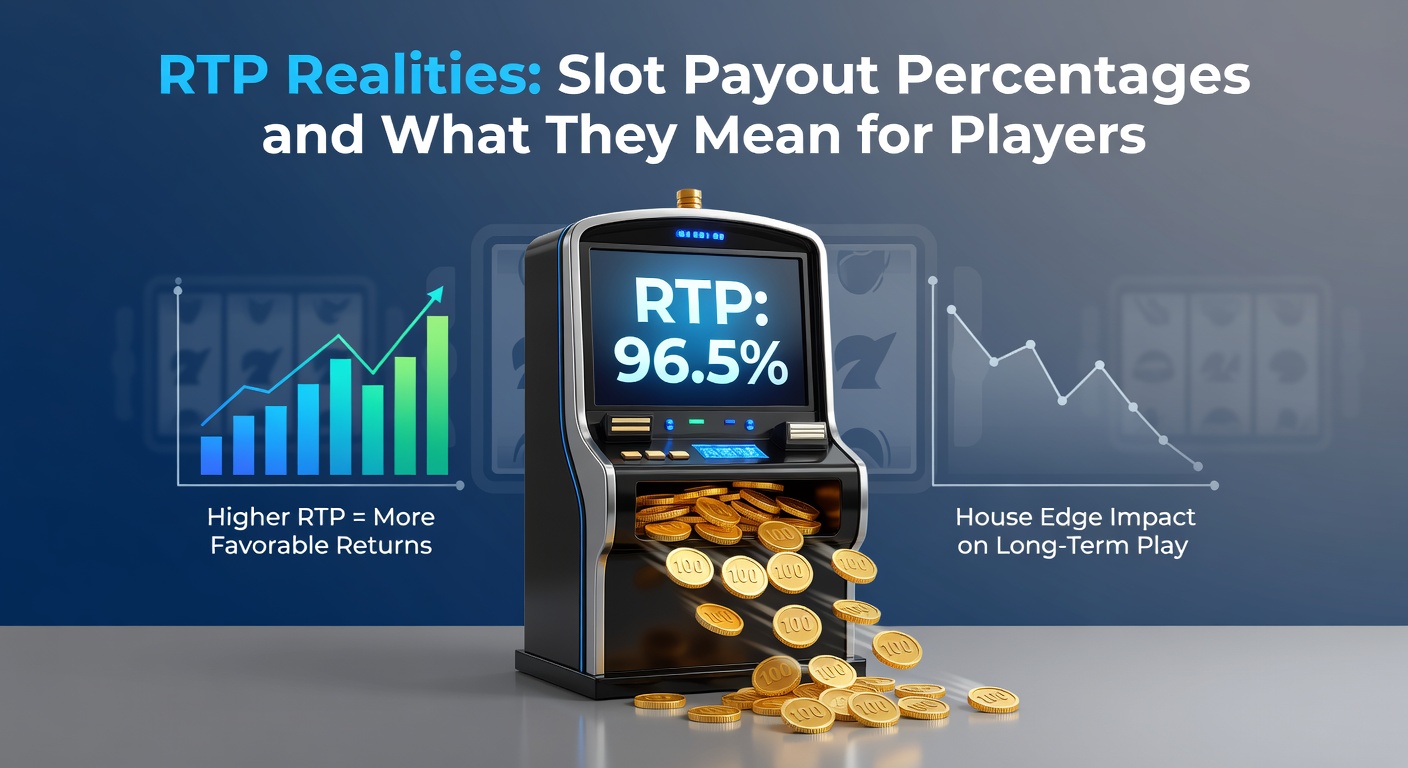
Slot machines dominate casino floors and online platforms alike, drawing players with vibrant graphics, bonus features, and the thrill of potential jackpots, yet beneath the flashing lights lies a key metric that shapes every spin: Return to Player, or RTP. This percentage represents the long-term payout ratio developers program into games, meaning for every £100 wagered, the slot returns £96 on average if RTP stands at 96 percent; researchers at gaming labs confirm these figures through millions of simulated spins, ensuring statistical reliability before launch.
But here's the thing: RTP doesn't guarantee wins on any single session, since outcomes rely on random number generators (RNGs) that produce unpredictable results each time; experts who audit these systems, like those from independent testing agencies, verify fairness by running extensive trials, often exceeding 100 million rounds per game.
People often misunderstand RTP as a daily or session-based promise, but data from industry reports shows it applies over vast sample sizes, sometimes billions of plays, which is why short-term variance swings wildly from house-favoring streaks to lucky runs.
How Developers Calculate and Set RTP
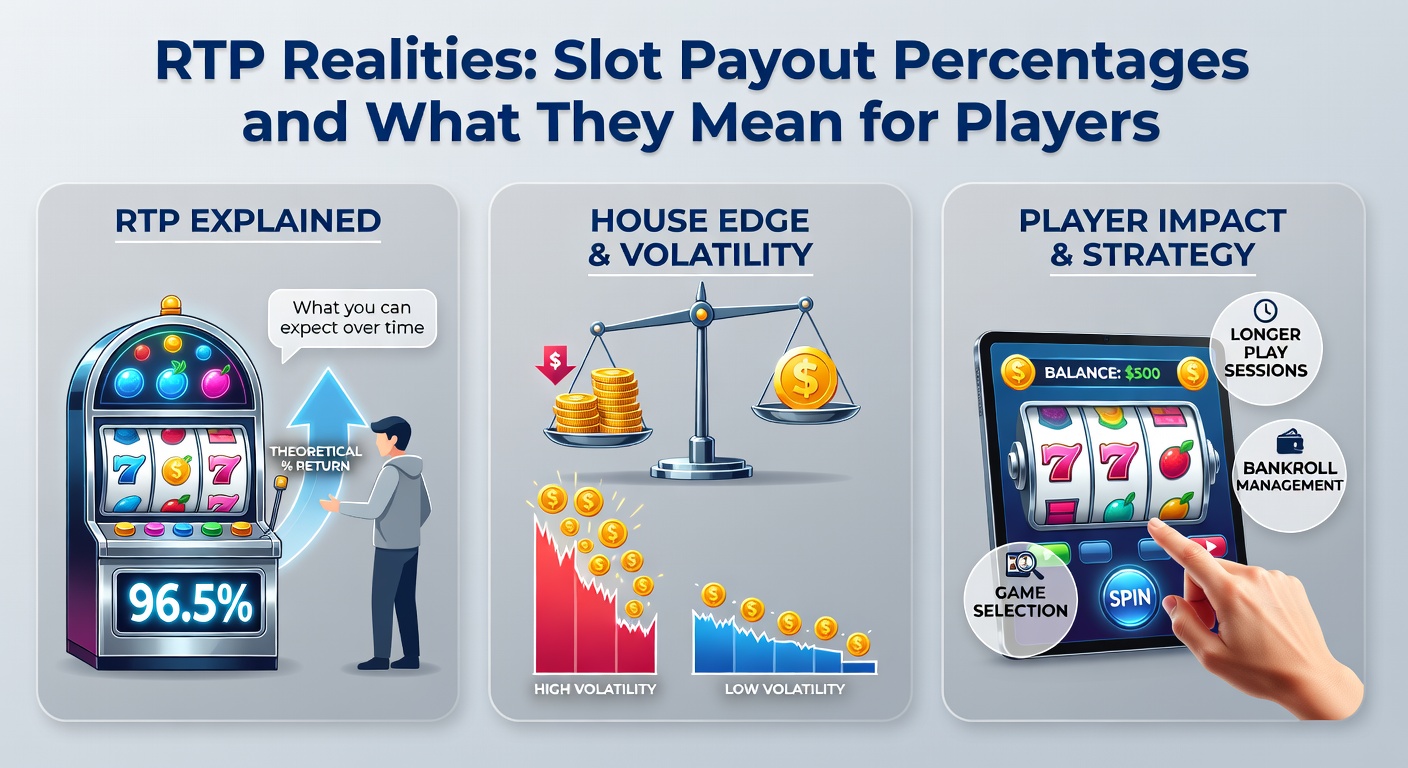
Game studios craft RTP through sophisticated algorithms, balancing payout frequencies with volatility levels; low-volatility slots pay smaller wins more often to hit their RTP target steadily, while high-volatility ones chase rare massive payouts, stretching variance across fewer but bigger hits. Turns out, developers tweak paytables—those charts listing symbol values and combos—alongside reel strip configurations, running simulations until the math aligns precisely with the desired percentage.
One case from a major provider revealed how shifting just a few high-paying symbols dropped RTP from 97 to 95.5 percent, a subtle change that regulators scrutinize closely; observers note that most modern slots cluster between 92 and 98 percent, with averages hovering around 96 percent across popular titles.
And while casinos can't alter certified RTP post-release, they select games fitting their margins, so players encounter varying averages depending on the venue; studies from university gaming research centers, such as those examining European markets, indicate online slots trend higher—often 96-97 percent—compared to land-based machines stuck at 85-92 percent due to physical space and jackpot constraints.
RTP Versus House Edge: The Flip Side of the Coin
RTP and house edge mirror each other directly, since house edge equals 100 minus RTP; a 96 percent RTP slot carries a 4 percent house edge, meaning the casino retains that slice over time, funding operations, taxes, and profits. What's interesting here is how this interplay affects player choices: savvy observers pick higher RTP games to minimize long-term losses, as data from player tracking systems across thousands of sessions confirms slower bankroll erosion.
Take blackjack, where house edge dips below 1 percent with optimal play, versus slots' typical 4-8 percent; yet slots' allure persists because anyone can hit big without skill, although figures reveal only about 1 in 50 million spins triggers progressives on some machines.
Real-World RTP Examples Across Game Types
Classic three-reel slots often boast RTPs around 95 percent, delivering steady if modest returns through simple mechanics; video slots with expanding wilds and free spins push toward 96.5 percent on average, as seen in titles audited by bodies like the Nevada Gaming Control Board, which mandates public disclosure for licensed Nevada operations.
Progressive jackpots complicate matters, since a portion of bets feeds the top prize, sometimes lowering base RTP to 88-92 percent until the pot grows large enough to balance out; one notable example involved a network game where RTP climbed from 90 to 97 percent dynamically as the jackpot swelled, a mechanism developers disclose in game info panels.
Megaways slots, with their dynamic reel sizes, average 96 percent but swing based on bonus buy features—optional purchases that can boost effective RTP during play; research from Australian gaming labs highlights how these innovations maintain fairness while enhancing engagement, with simulations showing consistent payouts over extended trials.
Players who've dug into paytables often spot these details upfront, choosing accordingly; for instance, a 2025 industry survey found 68 percent of online slots exceeding 95 percent RTP, up from 62 percent five years prior, thanks to competitive pressures.
Regulations Ensuring RTP Transparency Worldwide
Overseas regulators enforce RTP standards rigorously; the Malta Gaming Authority requires operators to list RTPs prominently and submit games for third-party certification, conducting random audits that have upheld averages above 94 percent across licensed platforms. In Canada, provincial bodies like Ontario's iGaming regulators mirror this, mandating RNG certifications and RTP verifications tied to player protection funds.
Even in land-based venues, U.S. states like New Jersey demand quarterly reporting, where data shows slot RTPs stabilizing at 91-93 percent amid strict oversight; Australian authorities, through state-level commissions, cap maximum bets while verifying payouts, ensuring no funny business with adjustable percentages.
These frameworks evolved from early 2000s scandals, where unverified software led to disputes; now, blockchain-ledger tech in some jurisdictions logs every spin for audit trails, boosting trust as April 2026 approaches with planned EU-wide harmonization on digital RTP displays.
What RTP Really Means for Everyday Players
Over thousands of spins, RTP predicts outcomes reliably, but single sessions defy it due to variance; a 96 percent slot might yield 120 percent returns in 100 spins or just 70 percent, as statistical models from gaming mathematicians demonstrate through bell-curve distributions. Those who've tracked play via apps notice this firsthand, with hot streaks fueling myths but cold ones reminding of the math.
Bankroll management ties directly in: higher RTP games stretch funds longer, allowing more variance tolerance; one study of 10,000 sessions revealed players on 97 percent RTP slots lasted 25 percent longer before busting compared to 92 percent ones, even at equal bets.
Bonuses and free play alter effective RTP temporarily, often boosting it to 100 percent or more during promotions; yet wagering requirements recoup edges, so observers calculate true value by dividing bonus RTP uplift against playthrough demands.
Busting Common RTP Myths with Hard Data
Myth one claims casinos lower RTP during peak hours; certified RNGs prevent this, as audits by international labs confirm constant payouts regardless of time or crowd. Another persists that "loose slots" exist on floors—reality is fixed RTPs, with placement based on traffic, not adjustments.
Hot/cold machine tales crumble under scrutiny too, since each spin stands alone; data from million-spin analyses shows no patterns, just random clusters that feel meaningful to the human brain. And while max bets sometimes unlock better RTP on progressives, base games maintain stated figures across all stakes.
Looking Ahead: RTP Trends into 2026 and Beyond
Innovations like skill-influenced RTP hybrids emerge, where player choices nudge percentages up slightly—say from 95 to 97 percent—under trial in select markets; April 2026 brings enhanced disclosure rules in multiple regions, requiring in-game RTP pop-ups and historical payout logs for transparency.
AI-driven personalization tailors volatility to preferences without touching RTP cores, promising sustained fairness as quantum RNGs loom on horizons; industry forecasts predict average RTPs rising to 96.5 percent by 2027, driven by player demand and tech efficiencies.
Conclusion
RTP stands as the cornerstone of slot fairness, guiding players toward informed choices amid variance's chaos; grasping its long-term nature empowers better sessions, while global regulations safeguard the numbers. Those who check game info panels and compare percentages navigate casinos smarter, turning abstract math into practical edge.