Deposit Timing Patterns and Jackpot Preferences in Regulated Online Gaming Environments
David Reed · May 23, 2026
Deposit Timing Patterns and Jackpot Preferences in Regulated Online Gaming Environments
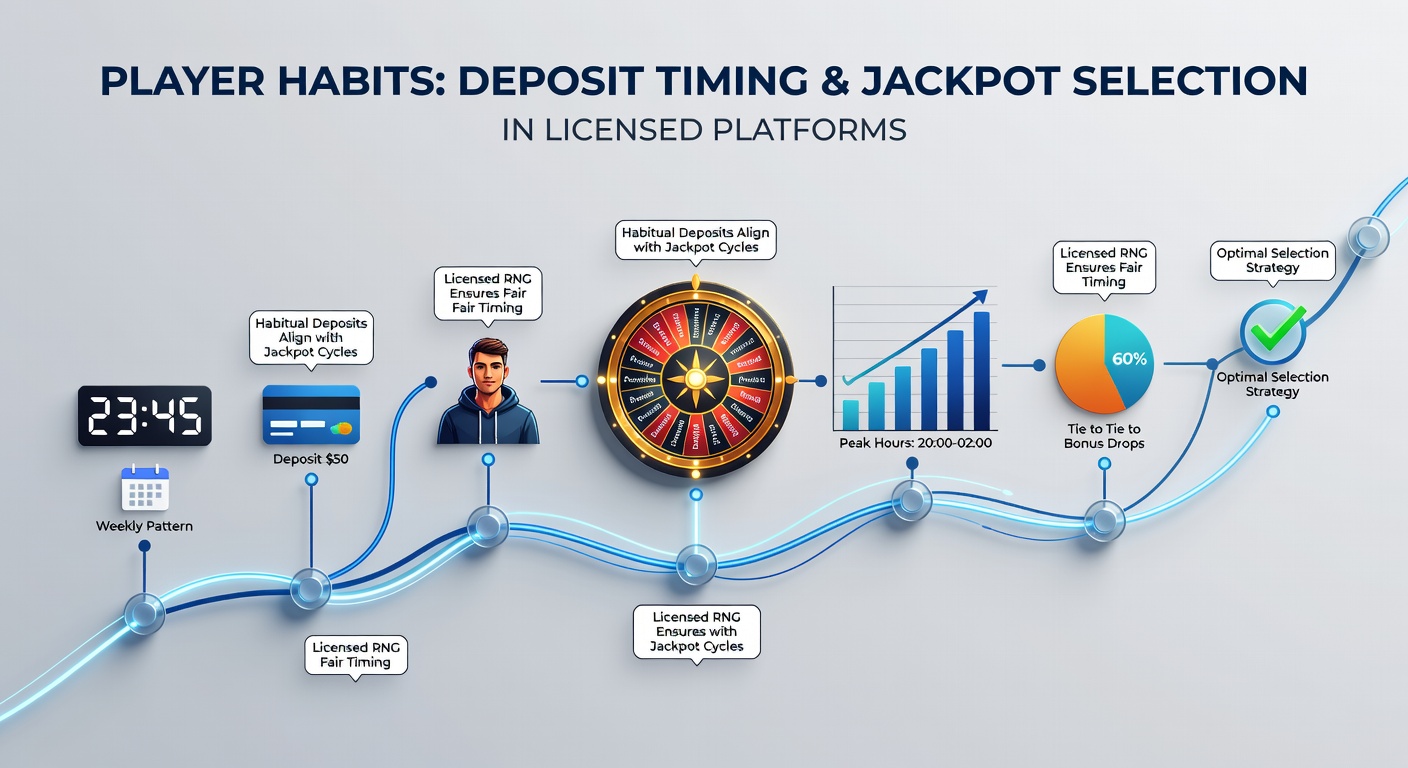
Players on licensed platforms often align their deposit activities with specific jackpot cycles, creating observable patterns that researchers have tracked across multiple jurisdictions. These habits emerge when individuals time their funding actions to coincide with jackpot resets, growth phases, or promotional windows, which in turn shapes the types of progressive or fixed jackpots they pursue during sessions. Data collected through platform analytics indicates that such timing behaviors correlate strongly with selections favoring high-variance progressive titles during periods of rapid jackpot accumulation, while fixed jackpot options see increased attention immediately following large payouts that reset community pools.
Observed Deposit Rhythms Across Licensed Sites
Studies from institutions like the Responsible Gambling Council in Canada reveal that many users initiate deposits during evening hours on weekdays, a window that often precedes peak jackpot growth in networked progressive systems. This rhythm allows participants to engage with jackpots that have built substantial value since earlier resets, leading to preferences for titles with escalating prize pools rather than standalone machines. Observers note that weekend deposits tend to cluster around midday, coinciding with promotional boosts that temporarily elevate certain jackpot tiers, prompting shifts toward those selections over others with steadier but lower growth rates.
Platform logs further show that repeat depositors maintain consistent intervals between funding actions, typically spacing them 48 to 72 hours apart when targeting jackpots that require sustained play to qualify for maximum payouts. Such intervals help users avoid overlapping with recent large wins that deflate pool sizes, instead positioning them for jackpots entering renewed accumulation phases. In regulated environments, these patterns persist because licensing requirements enforce transparent jackpot tracking, giving players clear visibility into pool dynamics without external speculation.
Links Between Funding Moments and Game Choices
When deposits occur shortly after a major jackpot hit, data indicates a measurable pivot toward fixed jackpot games that offer immediate, predictable rewards instead of waiting for progressive pools to rebuild. This shift happens because players who fund accounts right after resets often select options with capped but reliable prize structures, reducing exposure during low-accumulation periods. Conversely, deposits made mid-cycle frequently direct attention to progressive jackpots that have already surpassed average thresholds, as users leverage fresh balances to chase elevated prizes before the next potential reset.
Analyses of session data highlight how deposit amounts also factor into these decisions, with smaller, frequent deposits aligning more often with mid-tier progressive jackpots that feature moderate volatility. Larger, less frequent deposits correlate with selections of grand progressive categories, where the timing allows users to enter at stages of significant pool expansion. These connections hold across licensed platforms because regulatory standards mandate detailed reporting on jackpot mechanics, enabling pattern identification without ambiguity.

Influences from Platform Features and External Data
Licensed operators incorporate real-time jackpot meters that update continuously, which encourages users to monitor and time deposits around visible growth milestones. Features such as automated alerts for pool thresholds prompt funding actions that then steer selections toward the highlighted progressive games, creating a feedback loop documented in operational reports. External research from the Australian Gambling Research Centre supports these observations by showing similar timing habits in jurisdictions with comparable transparency rules, where players adjust choices based on meter visibility rather than promotional incentives alone.
Seasonal elements play a role as well, with data from early 2026 indicating increased deposit activity around scheduled network events that accelerate jackpot growth across linked titles. Users in these periods demonstrate heightened selection of multi-tiered progressive options, tying their funding schedules to anticipated expansion windows. Regulatory frameworks in various regions enforce audit trails for these mechanics, ensuring that observed habits reflect genuine player responses to disclosed information rather than opaque system manipulations.
Patterns Emerging in Recent Platform Metrics
Figures released around May 2026 from multiple licensed operators illustrate sustained correlations between deposit timing and jackpot tier preferences, particularly in mobile-accessible environments where users can act swiftly on meter changes. Shorter deposit windows, such as those under 15 minutes before a session start, associate with immediate selections of high-progressive games, whereas extended deliberation periods lead to diversified choices spanning both progressive and fixed categories. These metrics underscore how platform design elements, including instant deposit confirmations and live jackpot displays, reinforce the timing-to-selection link without introducing external variables.
Cross-platform comparisons reveal that users who maintain logs of their own activity exhibit more deliberate alignments, often depositing just as jackpots enter optimal accumulation ranges based on historical averages. This behavior appears more pronounced in environments with robust responsible gaming tools, where self-monitoring features help players track and refine their approaches to funding and game selection.
Conclusion
Deposit timing habits continue to shape jackpot selections on licensed platforms through measurable correlations driven by pool dynamics, regulatory transparency, and platform features. Patterns observed in 2026 data demonstrate consistent rhythms that connect funding moments to specific game categories, supported by analytics from diverse regulatory contexts. As platforms evolve their tracking capabilities, these connections remain central to understanding player engagement within structured, compliant environments.