Charting Jackpot Accumulation Paths Under Strict Licensing Rules for Online Slots
Freya Roth · Aug 8, 2026
Charting Jackpot Accumulation Paths Under Strict Licensing Rules for Online Slots
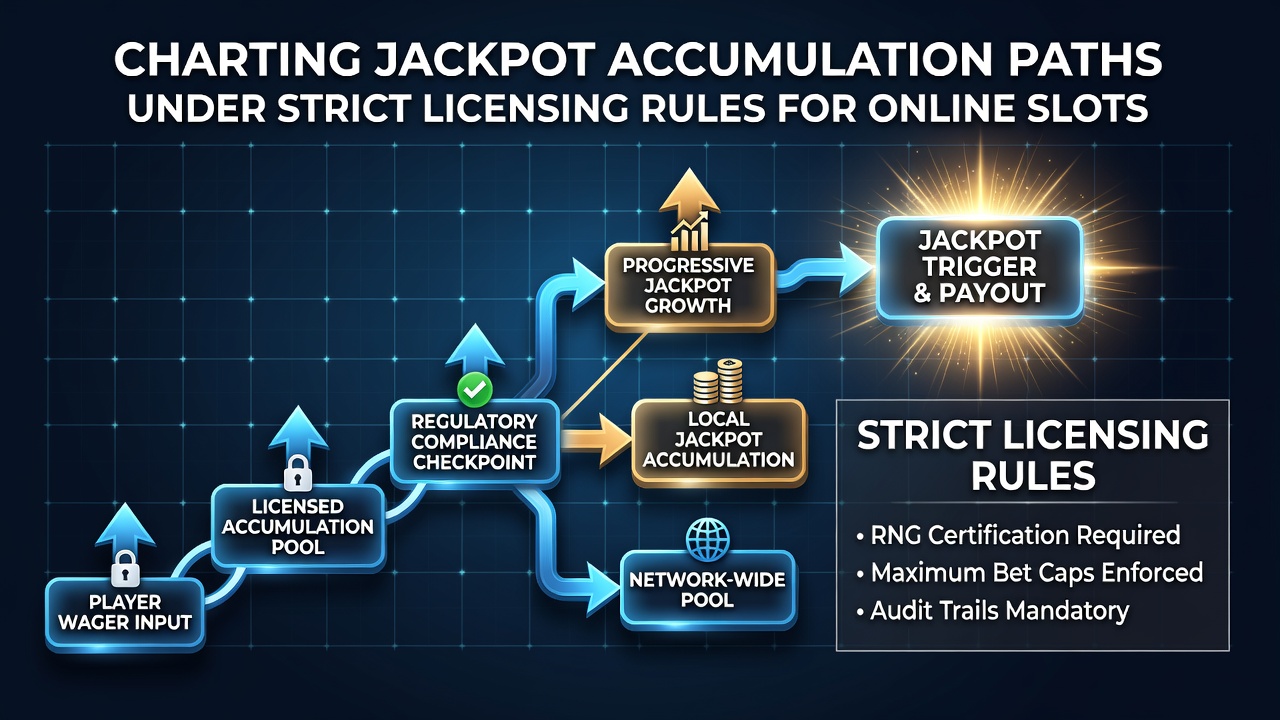
Online slot operators track jackpot accumulation through layered contribution systems that licensing authorities require to maintain transparency and player protection standards, and these rules shape every stage from initial seed funding to payout triggers. Regulators in multiple jurisdictions set minimum contribution percentages that operators must allocate from each wager, which creates predictable paths while preventing arbitrary adjustments that could undermine fairness.
Core Mechanics Behind Licensed Jackpot Systems
Progressive jackpots build when a fixed portion of bets feeds into a central pool, yet licensing conditions often cap the maximum growth rate and mandate independent audits at regular intervals. Operators must document how funds move between local and networked progressives, and this documentation follows formats approved by oversight bodies such as the New Jersey Division of Gaming Enforcement. Data from industry reports shows that contribution rates typically range between one and three percent per spin in tightly controlled markets, which slows accumulation but reduces volatility spikes that could trigger early regulatory reviews.
Seed amounts represent another regulated variable, with many licenses requiring operators to guarantee a minimum starting value before any player contributions begin. This guarantee ensures the jackpot never resets to zero after a win, and it forces operators to maintain reserve accounts that licensing bodies can inspect on demand. As of August 2026 several European and North American jurisdictions updated their reserve requirements to reflect inflation adjustments, which lengthened the average time between major payouts while keeping accumulation paths visible to both regulators and players.
Regional Variations in Accumulation Rules
Licensing frameworks differ across borders, and these differences create distinct accumulation timelines even for identical game titles. In markets overseen by the Malta Gaming Authority, operators must publish real-time jackpot meters on public dashboards, whereas certain US state rules focus instead on quarterly reconciliation reports submitted to gaming control boards. One study released by researchers at the University of Nevada examined how these reporting styles affect player behavior and found that visible meters correlated with steadier contribution patterns over extended sessions.
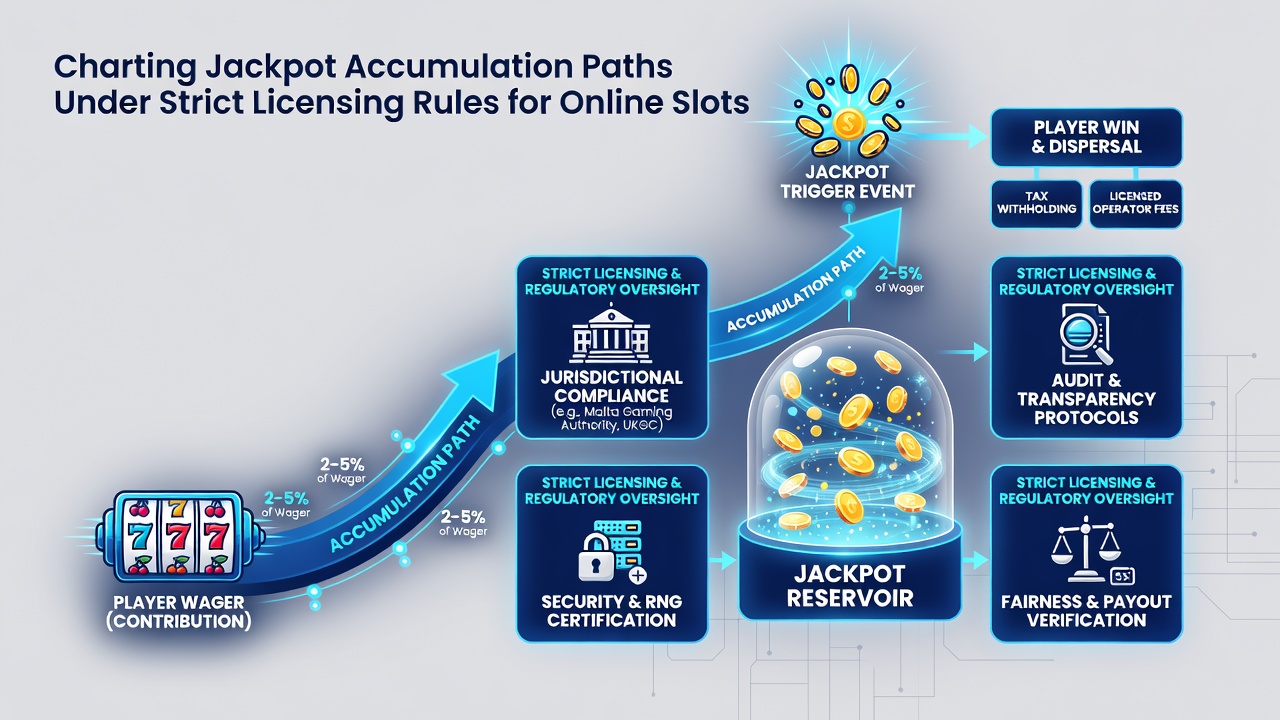
Networked jackpots spanning multiple sites introduce additional licensing layers because each participating operator must agree to identical contribution percentages and audit schedules. The European Gaming and Betting Association published guidelines in early 2026 that recommend standardized data-sharing protocols for cross-border networks, which reduces disputes when a jackpot win occurs on one platform but draws contributions from several others. Observers note that these protocols have shortened dispute resolution times from weeks to days in several documented cases.
Compliance Tools That Shape Accumulation Paths
Automated monitoring software now forms part of most licensing conditions, and these systems flag unusual contribution patterns before they reach payout thresholds. Operators integrate the tools directly into their game servers so that any deviation from approved accumulation rates triggers immediate alerts to both internal compliance teams and the relevant licensing authority. Research indicates that early detection prevents both underfunding and overfunding scenarios that could otherwise distort the intended payout frequency.
Take one operator who adjusted its contribution rate without prior approval in a North American jurisdiction, and regulators responded by freezing the jackpot meter until an independent review confirmed the change aligned with license terms. The incident delayed a scheduled payout by several weeks yet reinforced the requirement that all path modifications receive advance clearance. Similar enforcement actions appear in public records from multiple regions and demonstrate how licensing rules convert technical accumulation mechanics into auditable processes.
Future Adjustments and Reporting Standards
Upcoming licensing renewals in several jurisdictions will require operators to submit machine-learning models that predict jackpot growth under different contribution scenarios, and these models must incorporate historical payout data plus projected player volumes. The added layer of predictive reporting aims to give regulators advance notice of potential liquidity shortfalls while still preserving the random nature of individual outcomes. Industry associations continue to develop template formats that balance proprietary concerns with regulatory transparency needs.
Conclusion
Licensing rules transform jackpot accumulation from an opaque process into a documented sequence of contributions, audits, and reserve requirements that operators must follow across every market they serve. These frameworks vary by region yet consistently emphasize verifiable paths that protect both the integrity of the games and the financial commitments operators make to players. Continued updates through 2026 and beyond will likely refine reporting tools and cross-border coordination without altering the fundamental requirement that accumulation remain measurable and compliant at every step.