Artificial Intelligence Systems Quietly Oversee Play Durations in Licensed Digital Gaming Platforms
Willa Lang · Aug 13, 2026
Artificial Intelligence Systems Quietly Oversee Play Durations in Licensed Digital Gaming Platforms
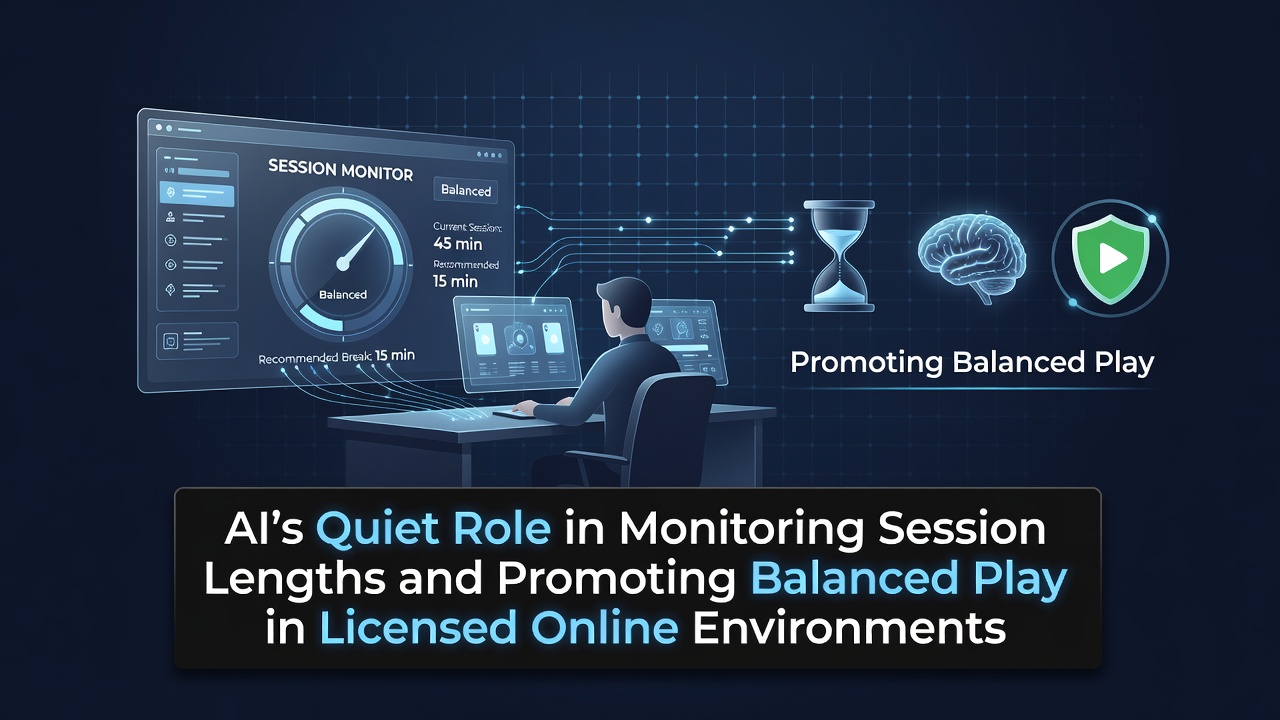
Operators in regulated online gaming jurisdictions deploy artificial intelligence tools to track session lengths continuously while players engage with slots, table games and other offerings, and these systems collect data on time spent without interrupting the experience until certain thresholds appear. Data from multiple markets indicates that such monitoring helps identify patterns where extended play might warrant intervention, yet the process remains largely invisible to users because algorithms process information in the background and trigger subtle prompts rather than abrupt stops.
Core Mechanisms Behind Session Oversight
Machine learning models analyze variables including login times, bet frequency, deposit patterns and interaction rates to establish baseline behaviors for individual accounts, and when a session extends beyond typical durations for that player profile the system flags it for review or automated response. Researchers at institutions such as the University of Nevada, Reno have documented how these models improve accuracy over time by incorporating historical data sets from thousands of accounts, which allows platforms to distinguish between recreational extended sessions and those showing signs of fatigue or repetition. In practice operators integrate these tools with existing compliance frameworks so that alerts align with licensing requirements across regions including several US states and Australian territories.
Alerts often take the form of optional break suggestions or reality-check messages that appear after predefined intervals, and because the timing derives from personalized data rather than fixed rules the prompts feel less intrusive while still encouraging players to assess their current state. Industry reports from the American Gaming Association note that adoption of these AI-driven features has increased steadily since 2023 as more jurisdictions update their responsible gaming standards to include real-time behavioral monitoring.
Data Patterns Emerging in Mid-2026
Figures released in August 2026 from regulatory bodies in select Canadian provinces revealed that platforms using advanced session monitoring recorded measurable shifts in average play durations, with a notable portion of flagged accounts accepting recommended pauses within the first hour of an extended session. Those same reports highlighted correlations between AI interventions and reduced reports of consecutive multi-hour logins, although analysts caution that external factors such as seasonal events also influence overall engagement levels. Observers note that similar trends appear in European markets where operators must demonstrate proactive harm-minimization measures to maintain licenses, and the data shows AI tools provide scalable ways to meet those obligations without requiring constant human oversight.
Integration With Broader Responsible Gaming Frameworks
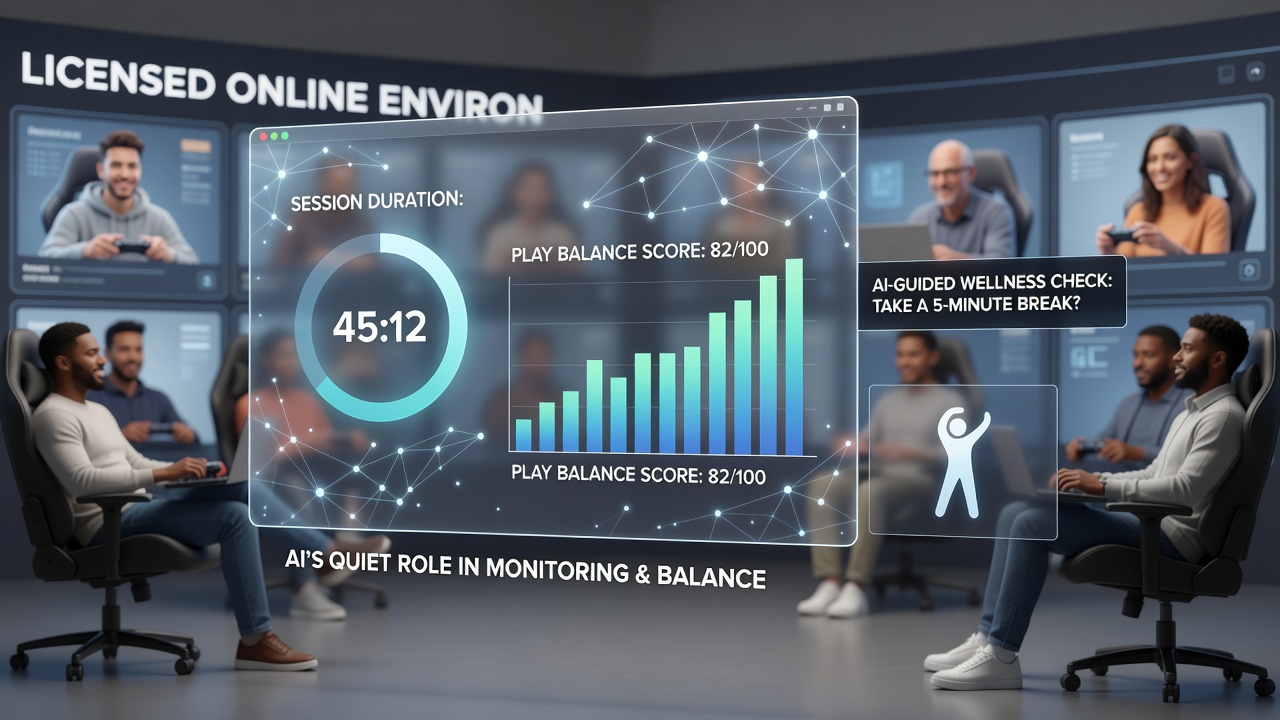
Licensed environments combine AI session data with other indicators such as deposit velocity and voluntary limit usage to create layered profiles that inform when additional support resources should surface, and this multi-factor approach helps platforms comply with varying rules across jurisdictions while avoiding one-size-fits-all restrictions. A study published by the National Council on Problem Gambling examined outcomes in several US states and found that players exposed to timely AI-generated reminders showed higher rates of setting voluntary time limits compared with control groups, although the research emphasizes correlation rather than direct causation. Operators report that these systems also generate aggregated anonymized reports for regulators, which supports transparency without exposing individual account details.
Technical teams refine the underlying algorithms regularly by testing against new behavioral data sets, and updates often focus on reducing false positives so that occasional long sessions do not trigger unnecessary messages that could frustrate recreational users. What's interesting is how the same infrastructure supports cross-platform consistency, meaning a player moving between desktop and mobile experiences encounters the same monitoring logic regardless of device.
Challenges and Technical Considerations
Balancing effective monitoring with player privacy requires careful data handling practices, and licensed operators must adhere to regional data protection standards while still feeding sufficient information into AI models for accurate predictions. Some platforms address this by processing sensitive metrics on-device before transmitting only derived insights to central servers, which reduces exposure while maintaining functionality. Experts from academic research groups have pointed out that continued refinement depends on access to diverse data samples across different player demographics, yet obtaining such samples while respecting consent protocols remains an ongoing process.
Conclusion
Artificial intelligence continues to embed itself into the operational backbone of licensed online gaming environments specifically for the purpose of tracking session lengths and supporting balanced participation, and evidence from multiple regulatory regions shows measurable effects on player behavior patterns. As more jurisdictions incorporate explicit requirements for real-time oversight tools, the technology evolves to meet those standards while remaining largely transparent to end users. Ongoing data collection and model updates ensure the systems adapt to emerging trends, which helps maintain compliance and operational efficiency across global markets.